How to Plan a Stress-Free Cultural Itinerary in North India
Private tours in India have seen sharp growth in demand over the past decade, and North India sits at the center of that interest.
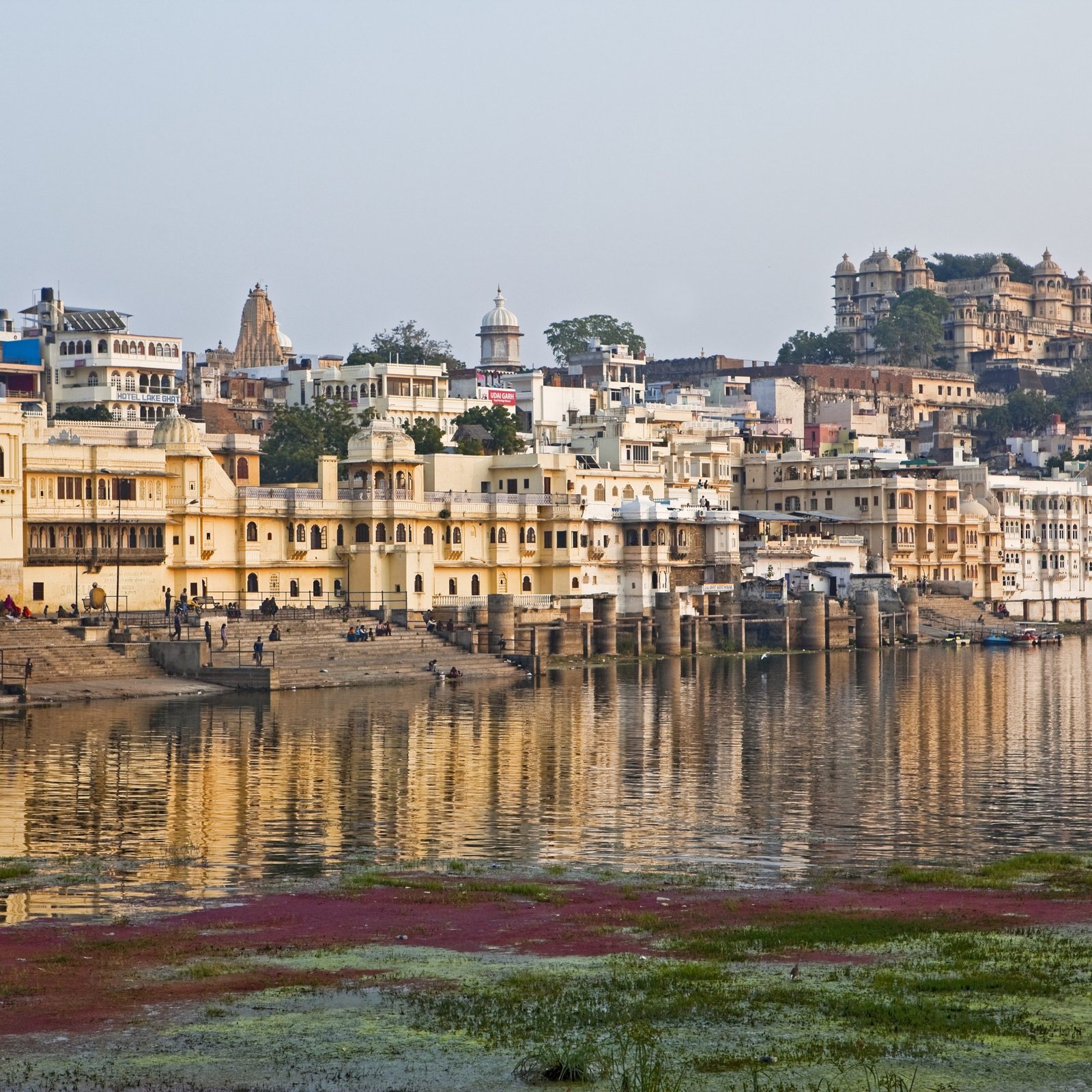
The region contains some of the most visited monuments on earth: the Taj Mahal, Qutub Minar, and Amber Fort, yet most first-time visitors still leave feeling they only scratched the surface. However, the problem is rarely a lack of time. It is almost always a lack of structure.
This guide addresses that directly.
Why North India Demands a Different Planning Approach
Most popular travel regions reward spontaneity. North India, however, punishes it.
The distances between key sites are deceptive. For instance, Delhi and Agra appear close on a map, approximately 230 kilometers, yet road traffic, monument queues, and inadequate buffer time routinely turn that route into an all-day ordeal.
Consequently, travelers who arrive without a pre-arranged schedule frequently spend their North India trip reacting to problems rather than absorbing experiences. A cold start at a monument, a missed photo window because of midday sun, or an overly long meal stop can collectively erase hours from an already compressed trip.
Building the Framework: Three Zones, One Coherent Journey
North India's cultural highlights cluster naturally into three geographic zones. Structuring your itinerary around these zones rather than around individual monuments immediately reduces transit fatigue.
Zone 1: Delhi (Days 1–3)
Delhi is not one city. It is, effectively, a layered series of capital cities built atop one another over seven centuries.
Therefore, the most productive approach separates Delhi into historical periods rather than compass directions:
Day 1 Mughal Delhi: Red Fort, Jama Masjid, Chandni Chowk; end at Humayun's Tomb at golden hour
Day 2 Pre-Mughal and Colonial Delhi: Qutub Minar complex in the morning, Lodi Garden for a midday break, India Gate and the Rajpath corridor in the afternoon
Day 3 Living Delhi: The Dilli Haat crafts market, a cooking class in a South Delhi home kitchen, Khan Market for independent bookshops and contemporary Indian designers
However, Delhi also demands specific logistical decisions. The metro is fast and reliable for north-south movement. Nevertheless, in Old Delhi, where lanes are too narrow for cars, auto-rickshaws or cycle-rickshaws are genuinely more efficient.
Zone 2: Agra (Days 4–5)
Agra contains three UNESCO World Heritage Sites within a 10-kilometer radius. That density means the city rewards two full days rather than the standard day-trip from Delhi.
Day 4 The Taj Mahal and its context:
The Taj Mahal requires strategic timing. Most visitors arrive between 9 and 11 a.m., which means the central pathway is often congested by mid-morning. Consequently, arriving at the gate opening, either at 6 a.m. in summer or 30 minutes after sunrise in winter, allows roughly 90 minutes of relatively clear viewing.
The afternoon of Day 4 works well for Agra Fort, a 16th-century Mughal complex that held the Taj's architect, Ustad Ahmad Lahauri, and later served as a prison for Shah Jahan himself. The fort's riverside terrace faces the Taj directly, offering a view that most visitors overlook entirely.
Day 5 Fatehpur Sikri:
Fatehpur Sikri sits 37 kilometers west of Agra. Emperor Akbar built this sandstone capital in 1571, then abandoned it 14 years later; the reasons remain the subject of historical debate, with water scarcity the most likely explanation.
The site receives far fewer visitors than the Taj. Therefore, mornings here feel genuinely contemplative. The Buland Darwaza, a 54-meter gateway built to commemorate Akbar's Gujarat campaign, remains one of the most underrated examples of Mughal architecture in the country.
Zone 3: Jaipur (Days 6–8)
Jaipur completes the Golden Triangle and introduces Rajput culture, which differs sharply from the Mughal aesthetic that dominates Delhi and Agra. However, most itineraries treat Jaipur too quickly, compressing the Amber Fort, City Palace, Hawa Mahal, and Jantar Mantar into a rushed sequence.
Three days allow a more honest engagement:
Day 6 Amber Fort and Jaigarh: Start at Amber at 8 a.m. before tour groups arrive; walk the upper ramparts to Jaigarh Fort for sweeping valley views that almost no one takes time to reach
Day 7 The Walled City: Hawa Mahal, City Palace's museum wing, and a dedicated afternoon in the Johari Bazaar for Rajasthani textiles and traditional jewelry
Day 8 Villages and craftspeople: A morning excursion to Sanganer (block-printing workshops) or Bagru (natural-dye textile villages) provides context for everything you have been seeing in the bazaars
The Logistical Details That Most Itineraries Miss
Monument Entry Timing
All major ASI (Archaeological Survey of India) monuments open at sunrise or shortly after. However, ticket queues at Amber Fort and the Taj Mahal frequently form 30 to 45 minutes before gates open. Consequently, a pre-booked ticket, available online via the ASI portal, eliminates that variable entirely.
Dress Codes and Access
Several sites have dress requirements that most travel blogs omit:
Jama Masjid, Delhi shoes must be removed; legs and shoulders must be covered; non-Muslims may not enter during prayer times
Dargahs (Sufi shrines) head covering is required for all visitors, regardless of gender
Amber Fort no specific dress code, but light, breathable clothing is essential; the upper ramparts in summer reach temperatures that make a midday visit inadvisable
Photography Windows
The quality of light at North India's sandstone monuments follows a reliable pattern. However, few guides articulate it clearly:
Amber Fort best light falls on the Sheesh Mahal interior between 10 and 11:30 a.m., when reflected sunlight from the mirror-work peaks
Taj Mahal: the marble reads warmest at sunrise; by mid-afternoon, harsh sunlight flattens the facade
Qutub Minar the monument faces southwest, so late afternoon (3–5 p.m.) provides the most dramatic shadows
Food Safety Considerations
North India's street food scene is extraordinary, but it requires a calibrated approach for visitors without an acclimatized digestive system.
The reliable general rules:
Prioritize cooked food over raw; eat at stalls with high customer turnover
Drink only sealed bottled water; avoid ice in glasses at non-five-star establishments
A light antibiotic and oral rehydration salts are worth packing as a precaution
Nevertheless, do not let these points deter you entirely from the street food experience. Agra's petha (a crystallized gourd sweet), Delhi's paranthe wali gali, and Jaipur's pyaaz kachori are cultural experiences as significant as any monument.
Conclusion
A well-executed cultural itinerary in North India requires simultaneous coordination of accommodation, transport, monument access, guided interpretation, and meal planning.
For many travelers, particularly those visiting for the first time or with limited time, working with a specialist operator removes friction without sacrificing agency. The key distinction is between operators who assign you to a group tour versus those who build an itinerary specifically around your dates, pace, and interests.
Luxury India Private Tours takes the latter approach: private vehicles, local expert guides, and itineraries that adjust as you travel rather than locking you into a fixed sequence. For a region where the details matter as much as the monuments, that flexibility makes a measurable difference.
North India will reward every hour of preparation you put in before you arrive. However, it rewards the informed traveler most generously. Use this guide as your starting framework, build your own rhythm around it, and leave room for the unexpected because the best moments on this route rarely appear in any itinerary.

Comments
Post a Comment